When someone lands on a restaurant website, they’re usually doing one thing: deciding. They’re choosing where to eat, whether to order, or if your place is worth visiting. That decision often happens in under 10 seconds—usually on a phone, often while multitasking. If customers can’t quickly find what they need, they don’t search harder—they leave.
The menu is the most important element on any restaurant website. It should be immediately visible, easy to access, and optimized for mobile.
Customers expect a menu that loads quickly, is easy to read, and doesn’t require extra steps. One of the biggest mistakes restaurants make is hiding menus behind downloads or PDFs. While common, PDFs often load slowly and create friction—especially on mobile devices.
A clean, on-page menu with clear categories and readable formatting will always outperform a harder-to-access option.
If customers can’t access your menu instantly, they’re likely to leave.

Customers shouldn’t have to search for basic information. Key details like hours, location, and contact information should be clearly visible the moment someone lands on your site.
This includes today’s hours, your address, parking details (if relevant), and how to reach you. If any of this information is missing, buried, or outdated, it immediately creates doubt and reduces trust.
When customers aren’t confident they have the right information, they’re far more likely to choose another option.
Make essential information easy to find—or risk losing the customer entirely.
If you’re not sure whether your website is helping or hurting your restaurant, start with a simple test. Our free 5-second website test shows you exactly how your site performs from a customer’s perspective—and where it may be losing you orders.
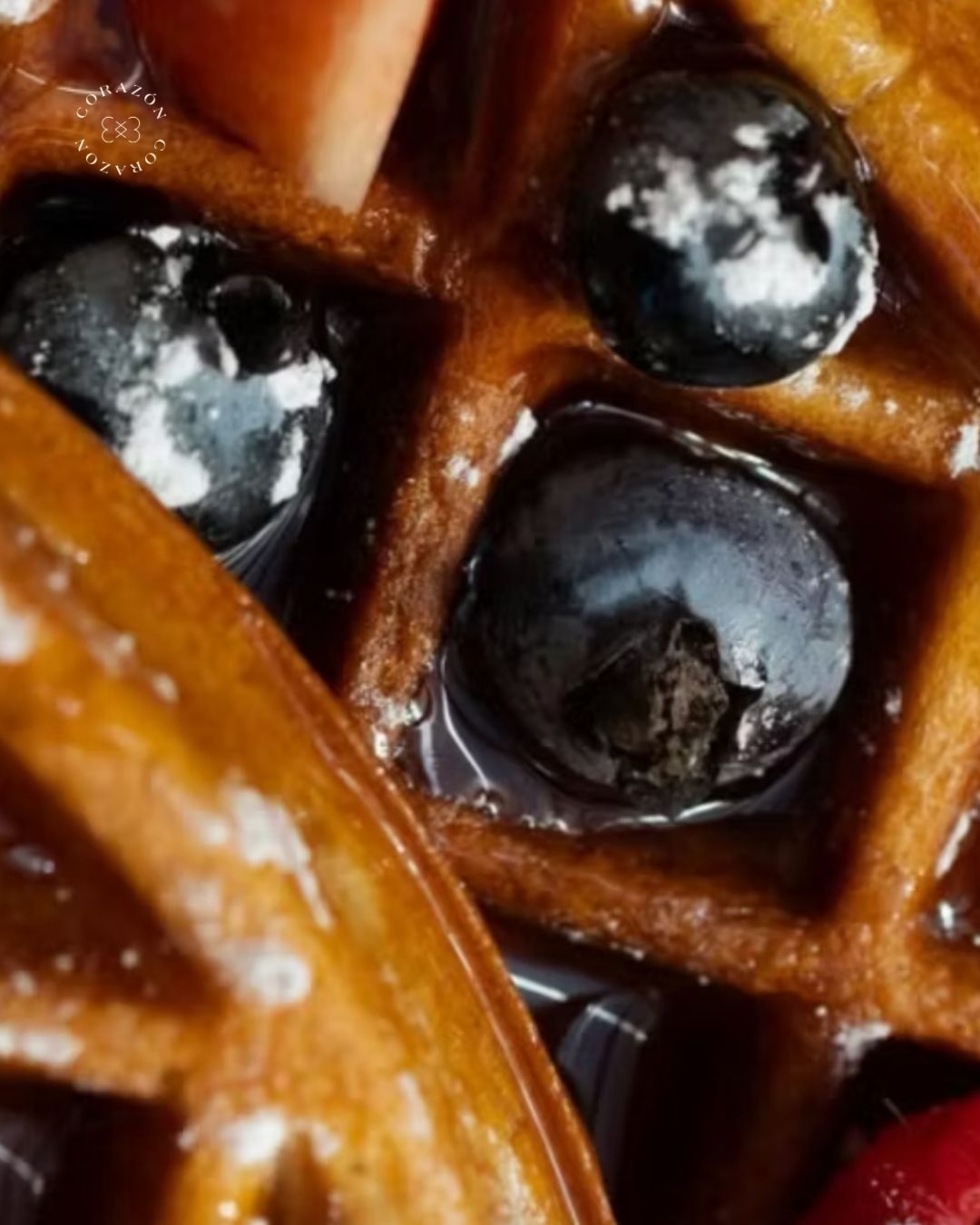
People eat with their eyes first. Before they decide, they want to see what the food looks like, what the space feels like, and what they can expect from the experience.
High-quality, real photos build confidence and set expectations. Stock images or outdated visuals do the opposite—they create uncertainty.
At the same time, your calls-to-action need to be clear and immediate. Whether it’s ordering, reserving, or getting directions, the next step should be obvious and easy to take. Buttons should be mobile-friendly, visible, and require minimal effort.
If taking action feels confusing or slow, customers won’t hesitate to choose another restaurant.
Strong visuals and clear next steps turn interest into action.
A high-performing restaurant website focuses on speed, clarity, and simplicity.
First, make your most important information instantly accessible—your menu, hours, and location should never be hard to find.
Second, optimize for mobile. Most customers are visiting your site on their phones, often from maps or social media, and expect a seamless experience.
Third, guide users toward action. Whether it’s ordering, booking, or visiting, the next step should be clear, fast, and frictionless.
When these elements are in place, your website becomes a tool that drives more orders and reservations—without requiring additional marketing spend.
Customers don’t visit restaurant websites to explore—they visit to decide.
The easier it is to find your menu, confirm details, and take action, the more likely they are to choose your restaurant.
If your website creates friction, customers won’t complain—they’ll simply go somewhere else.
Start by simplifying the experience, removing unnecessary steps, and focusing on what customers actually need.
If you’re not sure whether your website is helping or hurting your restaurant, start with a simple test. Our free 5-second website test shows you exactly how your site performs from a customer’s perspective—and where it may be losing you orders.
Explore strategies and insights for growing your brand
Real results from people who trusted us with their business.
Common questions about content strategy and how Social Reach works
We’re a full-service marketing and design agency that covers both digital and physical touchpoints. That includes websites, SEO, and advertising, as well as printed materials like flyers, signage, and branded merchandise. Our goal is to make sure your business looks professional and consistent everywhere your customers interact with you—online and offline.
We treat your website as the foundation, then build around it with marketing and design. Online, that might mean SEO, content, or ads to drive traffic. Offline, it includes branded materials that support your presence in the real world. When everything is aligned—your website, marketing, and print—it creates a stronger, more trustworthy brand that converts more customers.
It depends on your business, but many local and service-based companies benefit from both. Digital marketing helps people find you, while print materials reinforce your brand in person—whether that’s at events, in your storefront, or through direct outreach. We help you choose the right mix so you’re not overspending, but still making the biggest impact.
In addition to building high-performing websites, we offer SEO, digital advertising, and content strategy to help drive traffic and leads. On the design side, we create everything from logos and brand assets to printed materials like brochures, signs, and merchandise. This allows us to support your business across every stage of growth.
Working with one team keeps everything consistent and strategic. When different vendors handle your website, marketing, and print materials, the messaging and design often become disconnected. We make sure everything—from your website to your flyers—feels cohesive and supports the same goal: building trust and bringing in more customers.
Schedule a call with us to discuss what you need to grow