March 24, 2026
The 3 Biggest Mistakes Business Owners Make Before Hiring a Web Designer
10 mins
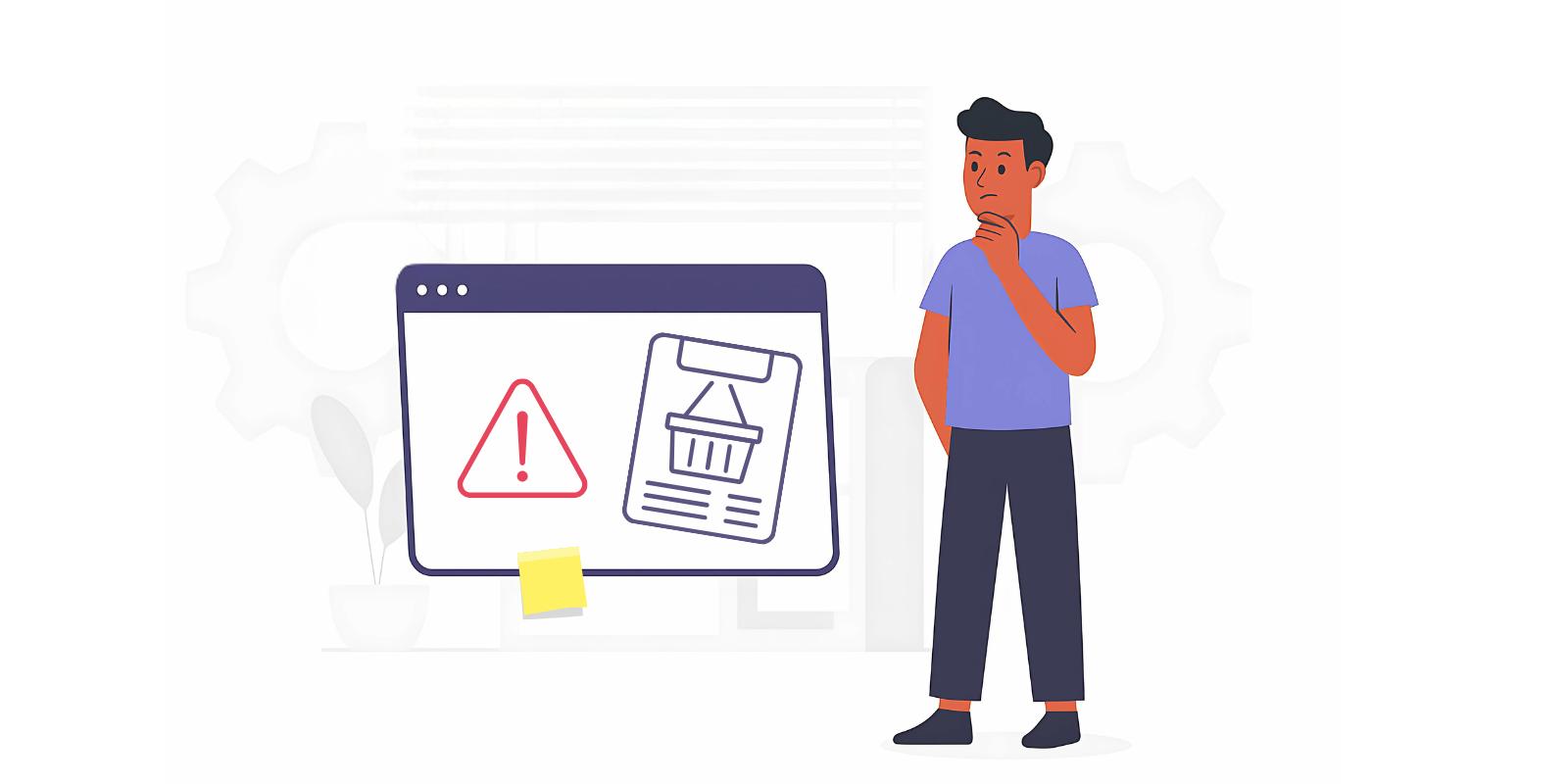
Investing in a new website is one of the most important decisions a business can make.
Done correctly, it becomes a consistent source of leads and revenue. Done poorly, it turns into a sunk cost—something that looks decent but doesn’t meaningfully impact the business.
What many business owners don’t realize is that the success of a website is largely determined before the design process even begins.
Below are three of the most common mistakes we see—and how to approach them more strategically.

It’s natural to compare quotes when hiring a web designer. Costs can vary significantly, and without context, it’s difficult to understand what you’re actually paying for.
However, focusing primarily on price often leads to the wrong decision.
A website should not be evaluated as a one-time expense. It should be evaluated based on its ability to generate returns—whether that’s through inquiries, bookings, or sales.
Two websites may appear similar visually, but perform very differently in practice. The difference typically comes down to:
A lower-cost website that fails to generate leads will ultimately cost more over time than a higher-quality site that consistently produces results.
What to do instead:
When reviewing proposals, ask how the website is designed to perform. What is the strategy behind the layout, messaging, and user flow? A strong designer should be able to explain this clearly.
A common assumption is that a web designer will “figure out” how to present the business during the design process.
In reality, even the best design cannot compensate for unclear positioning.
If a website does not quickly communicate:
then visitors will leave—often within seconds.
This is not a design issue; it is a messaging issue.
Before any design work begins, there should be clarity around:
Without this foundation, the final website may look polished but will struggle to convert visitors into leads.
A practical way to evaluate this:
Ask yourself whether a first-time visitor could understand your business within a few seconds of landing on your homepage.
If there is any hesitation, that is likely affecting your results.
👉 You can test this directly using our free 5-second website test:
https://tally.so/r/EkdvAA
Many businesses approach a website launch as the final step in their marketing efforts.
In practice, it should be viewed as the starting point.
A website, on its own, does not generate traffic. It needs to be supported by a broader strategy—whether that includes search engine optimization, paid advertising, referrals, or content.
In addition, performance improves over time through iteration:
Without ongoing attention, even a well-built website can become outdated or underperform.
What to do instead:
Plan for what happens after launch. This may include ongoing SEO, periodic updates, and reviewing performance data to identify opportunities for improvement.
A successful website is not simply the result of good design—it is the result of clear strategy.
By focusing on performance over price, establishing strong messaging before design begins, and viewing the website as part of an ongoing system, businesses are far more likely to see meaningful results from their investment.
If you’re unsure how your current website is performing, it’s worth starting with a simple evaluation.
👉 Take our free 5-second website test to see how your site comes across to a first-time visitor:
https://tally.so/r/EkdvAA
Schedule a call with us to discuss what you need to grow